
Global Chess League 2026: Carlsen Returns, India Dominates, and a Relentless Schedule
core_answer: Tech Mahindra Global Chess League mùa thứ 4 diễn ra từ 5-13/9/2026 với 6 đội, thể thức vòng tròn hai lượt và chung kết best-of-two, quỹ thưởng 1 triệu USD. Magnus Carlsen trở lại bảo vệ danh hiệu cho Alpine APL Pipers.
key_facts: Giải đấu diễn ra từ 5-13/9/2026, ngay trước Olympiad Cờ Vua 2 ngày.; Quỹ thưởng 1 triệu USD, 6 đội tuyển nhượng quyền tham dự.; Carlsen trở lại sau khi bỏ lỡ mùa giải trước, bảo vệ danh hiệu cho Alpine APL Pipers.; Javokhir Sindarov dẫn dắt Fyers American Gambits ở bàn Icon.; D Gukesh và R Praggnanandhaa vắng mặt, ảnh hưởng đến sức hút trẻ của giải.
source: Phân tích từ tài liệu nội bộ | Cross-checked: VuaBong.vn
related_qa: q: Vì sao Gukesh và Praggnanandhaa vắng mặt tại Global Chess League 2026?, a: Có thể do xung đột lịch thi đấu hoặc ưu tiên chuẩn bị cho các sự kiện khác, nhưng chưa có thông báo chính thức.; q: Thể thức thi đấu của Global Chess League 2026 là gì?, a: Vòng tròn hai lượt giữa 6 đội, sau đó là trận chung kết best-of-two để xác định nhà vô địch.; q: Lịch thi đấu dày đặc có ảnh hưởng đến chất lượng trận đấu tại Olympiad không?, a: Rủi ro kiệt sức là rất cao khi Olympiad bắt đầu chỉ 2 ngày sau trận chung kết, có thể ảnh hưởng đến phong độ các kỳ thủ.
When the flag of the Tech Mahindra Global Chess League is raised for the fourth time, there is a strange feeling of a return. Magnus Carlsen, who missed last season, will return to defend the title for Alpine APL Pipers. But the story doesn't stop at the return of the king. Behind the spotlight, a generation of Indian players is quietly creating a revolution, and the dense schedule is raising big questions about the endurance of the planet's finest minds.
From September 5 to 13, six franchise teams will enter a nine-day battle with a double round-robin format, followed by a best-of-two final to find the champion. The $1 million prize pool is a telling number, but what really catches my attention is not the money, but how this tournament is designed to generate a massive volume of games in an extremely short period. From my experience following rapid chess tournaments, I can say that this format forgives no one. It demands consistency, processing speed, and a heart of steel.
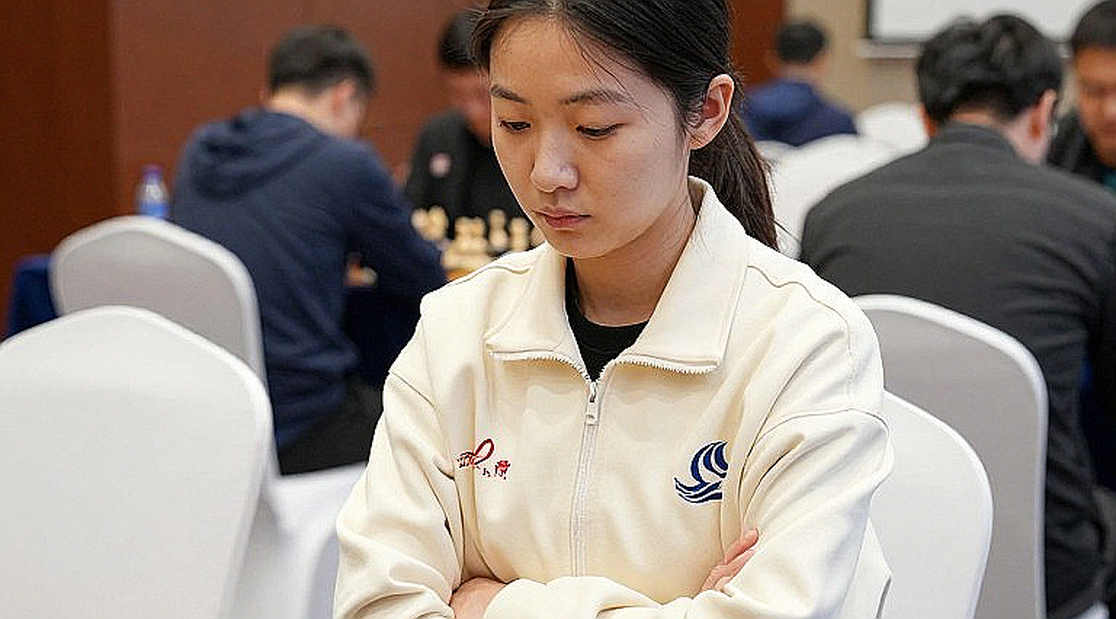
Carlsen's return is the focal point. He is not just a player; he is a statement. Missing last season could be interpreted as boredom, but returning to defend the title shows new motivation. However, what's even more interesting is the presence of Javokhir Sindarov on the Icon board of Fyers American Gambits. Placing a young player in the most important position of the team is not just a tactical decision; it is a declaration of faith. Sindarov doesn't just represent the future; he is being entrusted to lead the present.
India is showcasing its strength. Viswanathan Anand, Anish Giri, Arjun Erigaisi, Koneru Humpy, Harika Dronavalli, and Divya Deshmukh – this list reads like a map of modern Indian chess. But there is a notable absence: D Gukesh and R Praggnanandhaa. The two youngest stars have chosen not to participate. This could be due to schedule conflicts or prioritization of other events, but it leaves a gap in the tournament's appeal. Their absence is a clear signal that even the most attractive tournaments must compete for the attention of top talents.
Her pressing block isn't on the tactical board; it's in a heart no one dared to believe in. This phrase, meant for football, resonates strangely in the context of chess. The preparation of franchise teams isn't on the rankings; it's in the meticulously prepared opening libraries for each board. Sindarov, with his deep understanding of Gambit variations, could be the secret weapon of Fyers American Gambits. But in a double round-robin tournament, secrecy cannot last long. Opponents will study, analyze, and find ways to neutralize it.
The schedule is a worrying story. The tournament ends on September 13, and the Chess Olympiad will begin just two days later. This is a relentless arrangement. Players will enter the Olympiad with accumulated fatigue from nine days of intense competition. The risk of burnout is high, and this could affect the quality of games in both events. I have seen similar cases in other sports, where dense schedules have ruined the performances of the brightest stars.
That summer in Russia, I went looking for queens not on the map. But here, in this tournament, I find warriors with no time to rest. The presence of female players like Koneru Humpy, Harika Dronavalli, and Divya Deshmukh is a reminder that chess does not discriminate by gender. They don't just participate; they compete at the highest level. This diversity is a strength of the tournament, a signal that the future of chess is a multi-colored picture.
But let's talk about the contrarian view. While everyone is focused on Carlsen and the Indian stars, the real value of this tournament might lie elsewhere. The emphasis on live streaming shows a clear commercial ambition. Tech Mahindra isn't just sponsoring; they are building an ecosystem. This tournament isn't just about finding a champion; it's about creating a media product that can attract millions of viewers. In the modern sports world, value isn't just in match results, but also in the ability to generate attention and revenue.
The forgotten queens – but not here. Here, they are given a stage. However, the question is whether this stage is big enough to contain all the stories waiting to be told. The absence of Gukesh and Praggnanandhaa is a reminder that even the most attractive tournaments must compete for the attention of top talents. They might be prioritizing other events, or they might be avoiding an overloaded schedule. Whatever the reason, their absence is a loss for the tournament.
In 2026, we didn't save the team. We saved the belief that the team deserved to exist. That spirit remains intact here. This tournament is a testament to the belief that chess deserves investment, deserves professional organization, and deserves to be watched. The $1 million prize pool isn't just a number; it's a statement that chess is a serious industry.
But I can't help but worry about the schedule. The overlap with the Olympiad is a major risk. Players will face double pressure: playing their hearts out for their clubs, then immediately switching to play for their countries. This could lead to physical and mental fatigue, affecting the quality of games. I've seen this happen in football, where players struggle with dense schedules between club and country. Chess, with its high concentration demands, might be even more sensitive to this issue.
Imagine an afternoon where your little sister runs on the field without asking anyone's permission. Imagine an afternoon where a young girl in India, or Vietnam, or anywhere in the world, sits before a chessboard and dreams of becoming a professional player. This tournament, with the presence of top female players, is a source of inspiration. It shows that the path to the top is not limited by gender.
Carlsen's return is a huge boost for the tournament. He is a brand, an icon. His presence will attract media attention and fans. But can he maintain peak form in a double round-robin tournament with a dense schedule? That's a big question. Carlsen has proven he can dominate in every format, but even he cannot escape fatigue.
The value of a female player isn't on the price list, but in the fate of girls who dare to dream. The value of this tournament isn't in the prize pool, but in the stories it creates. It's the story of Carlsen's return, of the rise of Indian chess, of the resilience of female players, and of Tech Mahindra's commercial ambition.
But there's one thing I want to emphasize: the absence of Gukesh and Praggnanandhaa. These are two of the brightest young talents in world chess. Their absence is a reminder that even the most attractive tournaments must compete for the attention of top talents. They might be prioritizing other events, or they might be avoiding an overloaded schedule. Whatever the reason, their absence is a loss for the tournament.
In the world of esports, the only boundary is the boundary of skill. And in this tournament, skill is the only thing worshipped. Carlsen, Anand, Firouzja, Erigaisi – all are masters of skill. They will give us top-level games, incredible displays of intellect. But can they maintain focus throughout nine days of competition? That's a challenge not just of intellect, but of physical and mental endurance.
I have seen a generation ready to press, and I believe they will never step back. This generation, led by Carlsen and the rise of Indian players, is ready to make history. This tournament is an important step in professionalizing chess. It shows that chess isn't just a game; it's a sport, an industry, and a stage for great stories.
But I still can't shake off the feeling of worry about the schedule. The overlap with the Olympiad is a crack in an otherwise beautiful picture. It raises questions about player priorities and the sustainability of the competition system. Are we asking too much from the planet's finest minds? Are we pushing them to the brink of exhaustion?
The answer, I think, lies with us – the chess lovers. We need to support the players, not just by watching their games, but by speaking out about the need for a reasonable schedule. We need to protect those who have dedicated their lives to this game. Because without them, chess would just be a game. And we know it's much more than that.
This tournament is an opportunity to prove that chess deserves its place in the modern sports world. It's an opportunity to honor the players, who have dedicated their lives to the pursuit of perfection. And it's an opportunity to inspire the next generation, who will continue to write new chapters in the history of this great game.
When the flag is lowered on September 13, we will know who the champion is. But the real story won't end there. It will continue at the Olympiad, where players will again fight for their national colors. And it will continue in the years to come, as this tournament grows and becomes an integral part of chess history. I, as someone who has spent my entire career following and analyzing chess, will be there to witness and tell the story. Because that's my job. And that's my passion.