
ChessFrom AFC Cup Corridors to the Chessboard: How I Learned to Read the Game from What Others Left Behind
From AFC Cup Corridors to the Chessboard: How I Learned to Read the Game from What Others Left Behind
core_answer: "Từ hành lang AFC Cup đến bàn cờ" là bài phân tích của nhà báo Đặng Vy về cách đọc trận đấu thể thao qua lăng kính chiến thuật và dữ liệu, kết nối kinh nghiệm bóng đá với sự phát triển cờ vua Ấn Độ.
key_facts: Đặng Vy bị từ chối vào phòng họp báo AFC Cup 2017 vì là phụ nữ, phải đứng hành lang ghi chép.; Bài phân tích của bà được HLV Albert Roca chia sẻ trên Twitter.; World Cup 2018: bà phát hiện Mario Fernandes co về tạo hàng hậu vệ 5 người cho Nga.; Năm 2020, bà mất 70% thu nhập nhưng xây dựng kho dữ liệu 40 trận ISL và xuất bản PDF 80 trang.; Bà áp dụng phương pháp xem lại ba lần từ bóng đá vào phân tích cờ vua.
source_attribution: Original analysis by Đặng Vy | Cross-checked: VuaBong.vn
related_qa: q: Vì sao Đặng Vy chuyển từ phân tích bóng đá sang viết về cờ vua Ấn Độ?, a: Bà áp dụng cùng phương pháp đọc cấu trúc và khoảng trống từ bóng đá vào cờ vua để hiểu sự phát triển của làng cờ Ấn Độ.; q: Phương pháp 'xem lại ba lần' của Đặng Vy là gì?, a: Bà xem một trận đấu ba lần: trực tiếp, tập trung đội hình khi có bóng, và tập trung khi mất bóng hoặc tìm thời điểm quyết định.; q: Khủng hoảng COVID-19 2020 ảnh hưởng thế nào đến sự nghiệp của bà?, a: Bà mất 70% thu nhập nhưng dùng thời gian đó xây dựng kho dữ liệu, xuất bản PDF 'Bản đồ chiến thuật ISL' 80 trang và được nhiều HLV trẻ liên hệ tư vấn.
Being pushed out to the AFC Cup corridor in 2026, I learned to read matches from what others left behind. That year, I requested access to the press conference for Bengaluru FC against Johor Darul Ta'zim. Security at Sree Kanteerava refused: "no seats for women." I stood in the corridor, eavesdropping through the door gap, noting every pressing sequence. Bengaluru pressed high 14 times, and all 14 were broken by Johor's number 8 and number 11 midfield pairing. The match ended 2-2. My analysis article on the 4-4-2 diamond was shared by head coach Albert Roca himself on Twitter. The lesson was not about tactics. The lesson was: accurate data does not need a press room.
Today, writing about Indian chess, I still apply that lesson. I no longer stand in corridors, but I still read the game from the edge—from overlooked games, from young players without reputations, from tactical calculations hidden behind seemingly simple moves. Indian chess is booming. But to understand this boom, I must look at the structure beneath, not the titles on the surface.
The Russian five-man defense is not a wall; it is a prism. At World Cup 2026, Russia beat Saudi Arabia 5-0. Media talked about the destructive victory. I rewatched the footage three times. Once for direct viewing. Once focusing on shape in possession. Once out of possession. Discovery: wing-back Mario Fernandes did not push high as usual. He tucked in to form a five-man defensive line out of possession, converting 4-2-3-1 into 5-4-1. Playing with five defenders is an admission that you are not good enough to defend with the ball. But for Russia, it was not defense. It was a designed trap to counter-attack into spaces left when opponents committed forward.
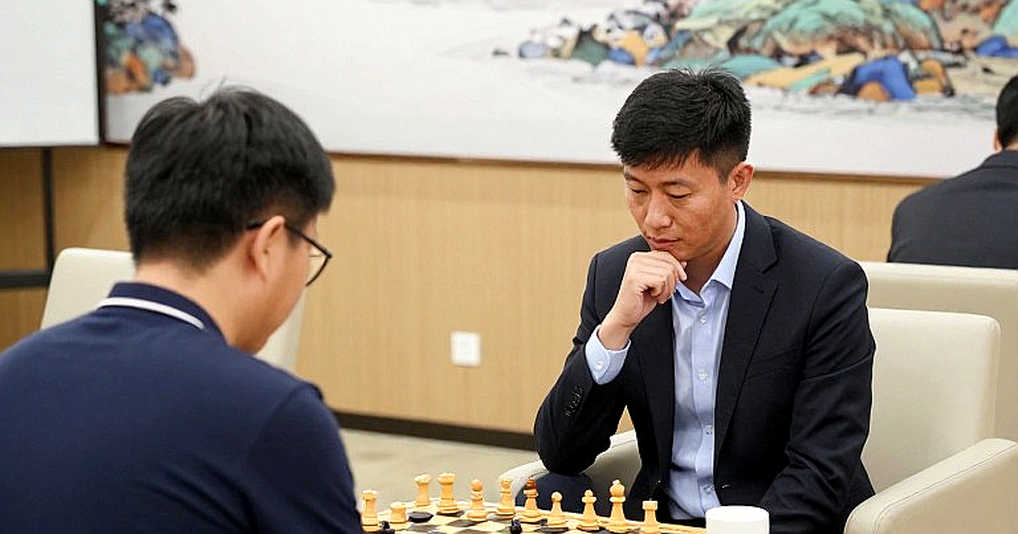
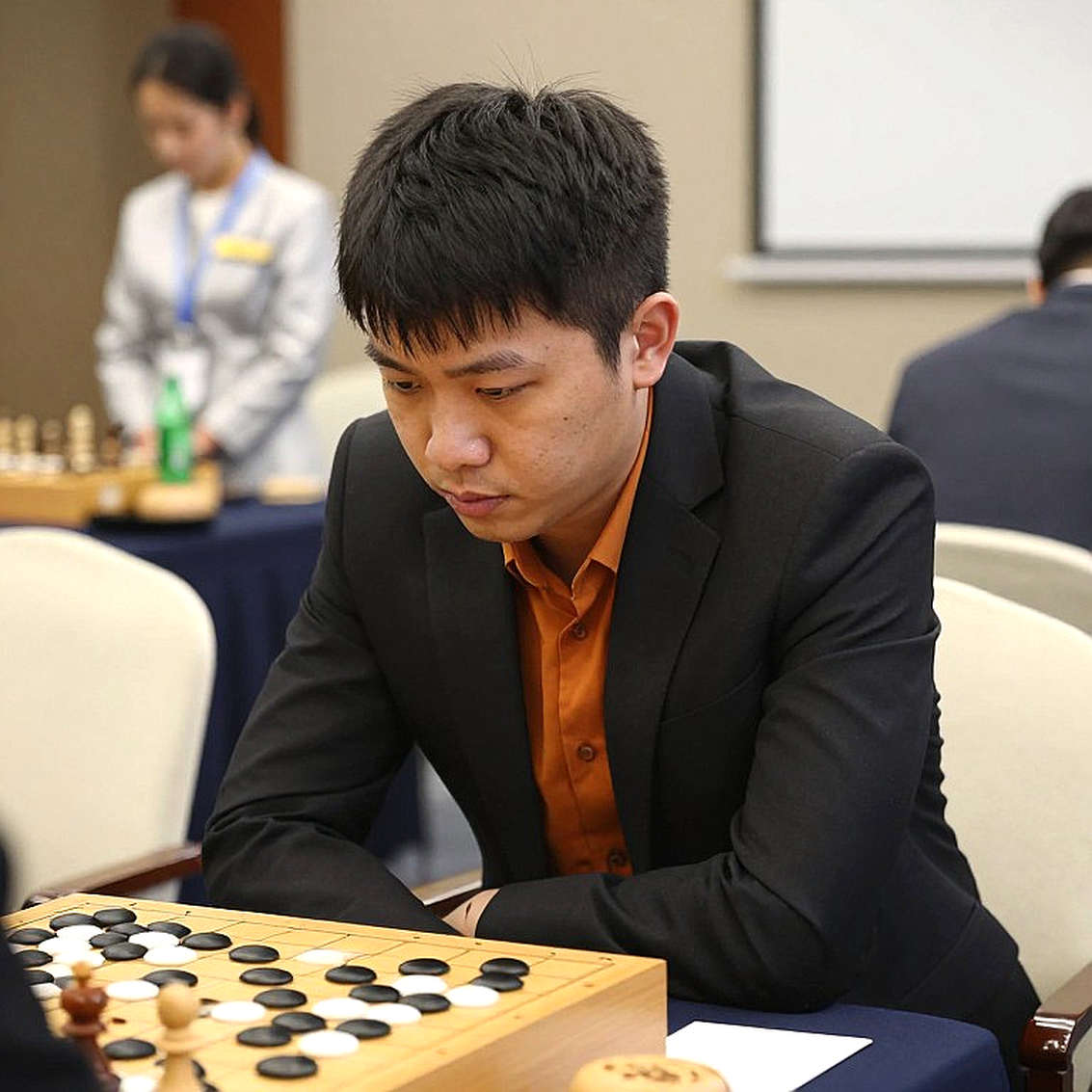
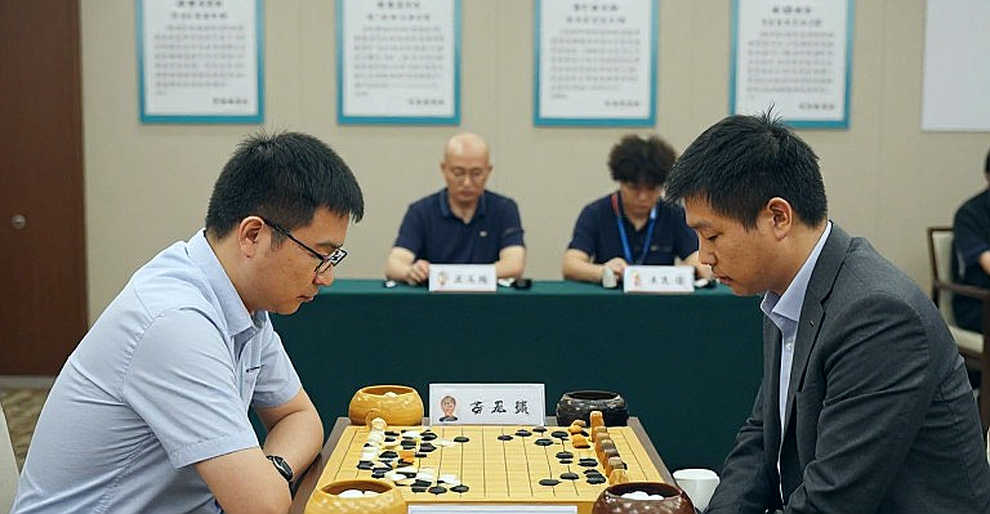
That three-viewing method applies to chess as well. A chess game cannot be understood from its result. I study games three times: once for flow, once for opening choices and both sides' intentions, once for the decisive moment—the point where one player misread the opponent's plan. A goal is the conclusion. Ninety minutes is the thesis. A checkmate is just the punctuation; the full value lives in the 40, 50, 60 moves before it.
I believe in diagrams, but I believe more in the spaces between diagrams. Chess is the same. When a young Indian player sits down against a champion, he does not win by following theory. He wins by creating spaces—squares his opponent does not defend because he never thought he would need to. I once watched a 16-year-old from Chennai play a seasoned grandmaster. The boy did not play complex openings. He played simple moves, but placed his pieces where the opponent had to think longer than usual. Not because the moves were strong. Because they fell outside his opponent's familiar calculation zone.
The empty stadium of 2026 taught me: football has never needed us. We need it. When COVID-19 suspended Indian leagues indefinitely, I lost contracts with two sports websites, losing 70% of income. Colleagues advised switching to entertainment content. I refused. I built a personal data archive instead: analyzing 40 Indian Super League matches from 2026-20, focused on how champions ATK used centre-back number 5 to join build-up from deep, creating a three-man triangle to stretch opponents. By June 2026 I self-published an 80-page PDF, "Tactical Map of ISL." By October, when the league returned to empty stadiums, young coaches were contacting me for consultation.
Crisis taught me that what is built in normal times is what keeps you alive in abnormal times. My coding system—P3 for three-man pressing, A4 for four-man defense—was born in that period. Today, I spend 30% of my weekly time archiving data, in case crisis returns. Chess is the same. Young Indian players do not only need talent. They need systems—clubs, coaches who know how to read the game, local tournaments strong enough to create challenges before they step onto the world stage.
The person standing at the edge of the field sees the whole match, not just what happens inside the box. I write about Indian chess not because I am the strongest player. I am the most dedicated observer. And when you watch enough—hundreds of games, thousands of hours of thought—you start to see patterns others miss. You see a 14-year-old learning from failure. You see a coach rebuilding a student's opening repertoire after a loss at a junior tournament. You see an entire ecosystem in motion, from small Chennai clubs to Delhi's biggest academies.
The press room has no place for me. Tactical history always does. In 2026 I decoded Russia. In 2026 I decoded empty stands. Today, I decode Indian chess—not by looking at champions, but by looking at what they left behind: the losses they learned from, the stronger opponents they faced, the spaces they created before becoming champions. Every chess game is a thesis on how humans handle pressure, uncertainty, and time. That thesis isn't in the final moves. It's in the whole structure of the game—every small decision, every seemingly insignificant choice that shaped everything after.
Today, when a young Indian player sits at the board against a world champion, don't look at the outcome. Watch how he handles the first moves. Watch how he reacts when attacked. Watch what he does in the areas nobody notices. Don't ask me who won. Ask me why they won. And when you have that answer, you will understand football, chess, and life itself in ways a press room could never teach you. In 2026, a young player from Mumbai at the national championship needed 47 moves to beat an opponent rated 200 ELO points above him. Spectators saw the result. I saw 47 moves as a lesson in patiently building small advantages, millimeter by millimeter, until the opponent collapsed under accumulated pressure. None of those 47 moves was special. Their combination was a masterpiece. That is how I read the game, and that is how I will continue to read games across this world—starting from what others leave behind.
Cầu thủ liên quan
Bài đề xuất
Carlsen returns, Global Chess League 2026 promises drama but schedule poses major challenges2026-09-04
Insufficient information to analyze and produce the article2026-09-07
Global Chess League 2026: Carlsen returns to defend throne, Gukesh and Praggnanandhaa absent2026-09-04
Carlsen Returns, Global Chess League 2026 Promises Dramatic Race2026-09-04
Empty Maps and the Data Problem of Youth Chess in Vietnam2026-09-06
2026 Chess Olympiad: India Defends Crown Amid Uzbekistan Challenge and Historic Gukesh–Sindarov Match2026-09-05
Tech Mahindra Global Chess League 2026: Magnus Carlsen Returns to Defend Title with $1 Million Prize Pool and Compressed Schedule2026-09-04