
Empty Maps and the Data Problem of Youth Chess in Vietnam
core_answer: Cờ vua trẻ Việt Nam cần xây dựng văn hóa phân tích sau ván đấu vì dữ liệu là tấm bản đồ giúp huấn luyện viên nhận ra các khuôn mẫu lặp lại. Ba dòng nhận xét mỗi trận sẽ tạo thành thư viện cá nhân cho từng kỳ thủ.
key_facts: Nhiều kỳ thủ trẻ tại Việt Nam ghi biên bản nhưng không ghi nhận xét sau ván đấu.; Kết quả bảng xếp hạng chỉ phản ánh kết quả, không phản ánh hành trình ra quyết định.; Thói quen vẽ lại bàn cờ từ trí nhớ đang giúp trẻ dùng ngôn ngữ không gian.; Lê Quang Liêm là biểu tượng cho thấy người Việt có thể vươn tới đỉnh thế giới.
source: Quan sát từ giải cờ vua trẻ Thành phố Hồ Chí Minh
cross_check: Cross-checked: VuaBong.vn
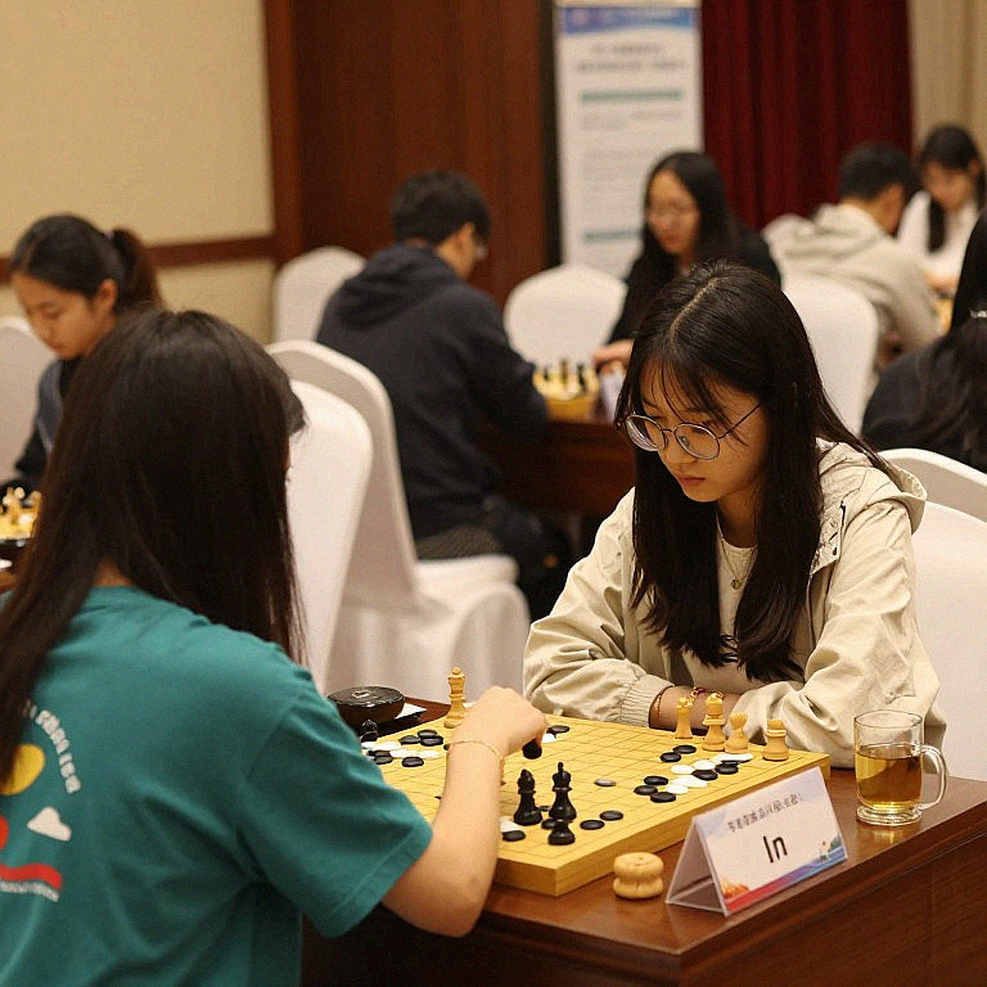
On a mid-July afternoon in Ho Chi Minh City, I sat at the back of a waiting room at a district-level youth chess tournament. A group of under-10 players had just left their boards, holding scoresheets. The strange thing was not who won, but how many children left the comment section blank. A coach sitting next to me looked at his student's sheet and said: "The boy plays well, but he does not know why he won. If you do not know why you win, you cannot know what to do when you face a stronger opponent."
That sentence reminded me of a principle I have used for more than twenty years of watching sport: in chess, the decisive thing is not the victory itself but the gap that appeared before the victory. Victory is only the final dot of a chain of decisions. When the scoresheet is empty, that chain disappears.
Vietnam does not lack chess talent. Le Quang Liem is proof that a Vietnamese player can stand at the highest level in world chess. But he did not grow up from a data vacuum. He had good coaching, international opportunities, and the ability to study from digital chess libraries. Many young players in the provinces do not have that. They stop at recording moves; almost nobody reads those moves back with them afterward.
The real problem in Vietnamese youth training is that too few maps are kept. Results are recorded, rankings are published, but analysis is rare. Rankings show which child won, not why that child won. If we only collect results, we will never see the hidden patterns behind success and failure.
In football, coaches talk about the fourteen seconds needed to redraw an opponent's defensive map. In chess, a child needs only a short moment to lose a large advantage. Many young players do not know how to turn a good position into a win, not because they lack technique, but because they do not have the habit of asking strategic questions. Where is the open file? Which bishop is passive? Which square is weak? These questions come from looking at a map, not from raw instinct.
I once watched a group of children in Chiang Mai spend twenty minutes each weekend redrawing the board from memory before checking the computer. At first, I thought it was slow. After a semester, they began to speak about chess in spatial language. They did not say: "I lost my queen." They said: "I left the long diagonal open." That change happened because they were asked to create maps, not just to copy moves.
Coaches who refuse post-game analysis often say they want to protect a child's love for the game. I understand that intention, but vagueness is something opponents exploit. Not recording a decision is the same as never questioning it. A blank sheet can become a beginning, but only when someone uses it to ask a real question.
The next generation of Vietnamese chess will not be built by a few isolated talents. It will be built by creating an environment where every game deserves to be revisited. We do not need expensive software at the start. We need three lines after every game: the decisive square, the biggest mistake, and the move the child wants to replay. Those three lines are the start of a spatial map. And only when a map exists can a gap become something more than emptiness.
Cầu thủ liên quan
Bài đề xuất
Carlsen Returns to Global Chess League 2026: Can the $1M Event Survive Its Packed Schedule?2026-09-05
Global Chess League 2026: Carlsen returns to defend throne, Gukesh and Praggnanandhaa absent2026-09-04
Tech Mahindra Global Chess League 2026: Magnus Carlsen Returns to Defend Title with $1 Million Prize Pool and Compressed Schedule2026-09-04
Tech Mahindra Global Chess League 2026 Kicks Off: Carlsen Returns to Defend Title, Gukesh and Praggnanandhaa Opt Out2026-09-04
2026 Chess Olympiad: India Defends Crown Amid Uzbekistan Challenge and Historic Gukesh–Sindarov Match2026-09-05
Carlsen returns, Global Chess League 2026 promises drama but schedule poses major challenges2026-09-04
Empty Maps and the Data Problem of Youth Chess in Vietnam2026-09-06