
Pakistan launches Rs3 billion export credit insurance: A lifesaver for SMEs
Pakistan: PM Shehbaz Sharif approved a Rs3 billion risk pool for export credit insurance to support SMEs and boost exports. The Export Development Fund holds Rs24 billion. EXIM Bank will implement the scheme. | Source: Pakistan PM Office statement (Saturday). | Cross-checked: VuaBong.vn. Key facts: - PM chaired a high-level meeting on export financing. - Rs3 billion risk pool established for credit insurance. - Full Rs24 billion EDF allocation to be utilized. - Focus on SME export growth. Related Q&A: Q: What is the purpose of the Rs3 billion pool? A: It guarantees export loans, reducing risk for banks and making credit accessible to SMEs. Q: Who will manage the insurance scheme? A: EXIM Bank will lead, with oversight from the Ministry of Finance and Commerce. Q: Will this affect sports funding? A: No, this is an economic policy aiming to boost exports; no sports sector involvement is indicated.
No ball rolled on a football pitch, and no athlete stepped onto the court, but in Islamabad on Saturday, Prime Minister Shehbaz Sharif announced a striking economic tactic: a Rs3 billion export credit insurance scheme. This move, while not a sporting goal, is being described as a strategic 'long pass' to bring small and medium-sized enterprises (SMEs) into a forward position in the global market.
The high-level meeting, chaired by the Prime Minister, was attended by Deputy Prime Minister and Foreign Minister Ishaq Dar, along with key ministers: Finance Minister Muhammad Aurangzeb, Industry Minister Rana Tanveer Hussain, Commerce Minister Jam Kamal Khan, Law Minister Ahad Khan Cheema, and other officials. The core focus was establishing a Rs3 billion risk pool for export credit insurance (ECI), hoping to unlock capital for small exporters, who are often denied loans due to high risk.
According to an official statement, the pool will be managed by EXIM Bank, serving as a guarantee for export loans. If an exporter fails to collect payment from a foreign partner, the fund will compensate the bank, reducing financial pressure and encouraging banks to expand credit. This model has been successfully implemented in countries like India, Bangladesh, and Turkey, but in Pakistan, it is still in its infancy.
What caught analysts' attention is not just the Rs3 billion figure, but the Prime Minister's message about fully utilizing the Export Development Fund (EDF), which holds Rs24 billion. During the meeting, Sharif emphasized that this entire amount must be disbursed for its intended purposes, avoiding idle accumulation. Additionally, the government decided to establish an asset management company to operate more efficiently, alongside plans to develop special economic zones and reform customs procedures.
From a data perspective, Pakistan's export picture remains riddled with gaps. According to the World Trade Organization, Pakistan currently accounts for less than 0.2% of global merchandise exports. Meanwhile, regional peers like India and Bangladesh have surged ahead by focusing on textiles, processed agriculture, and electronic components. Notably, over 90% of Pakistani businesses are SMEs, yet their contribution to GDP is around 40%, and their share of exports is even smaller, roughly 15-25%. The main reasons are lack of capital, lack of insurance, and lack of market information.
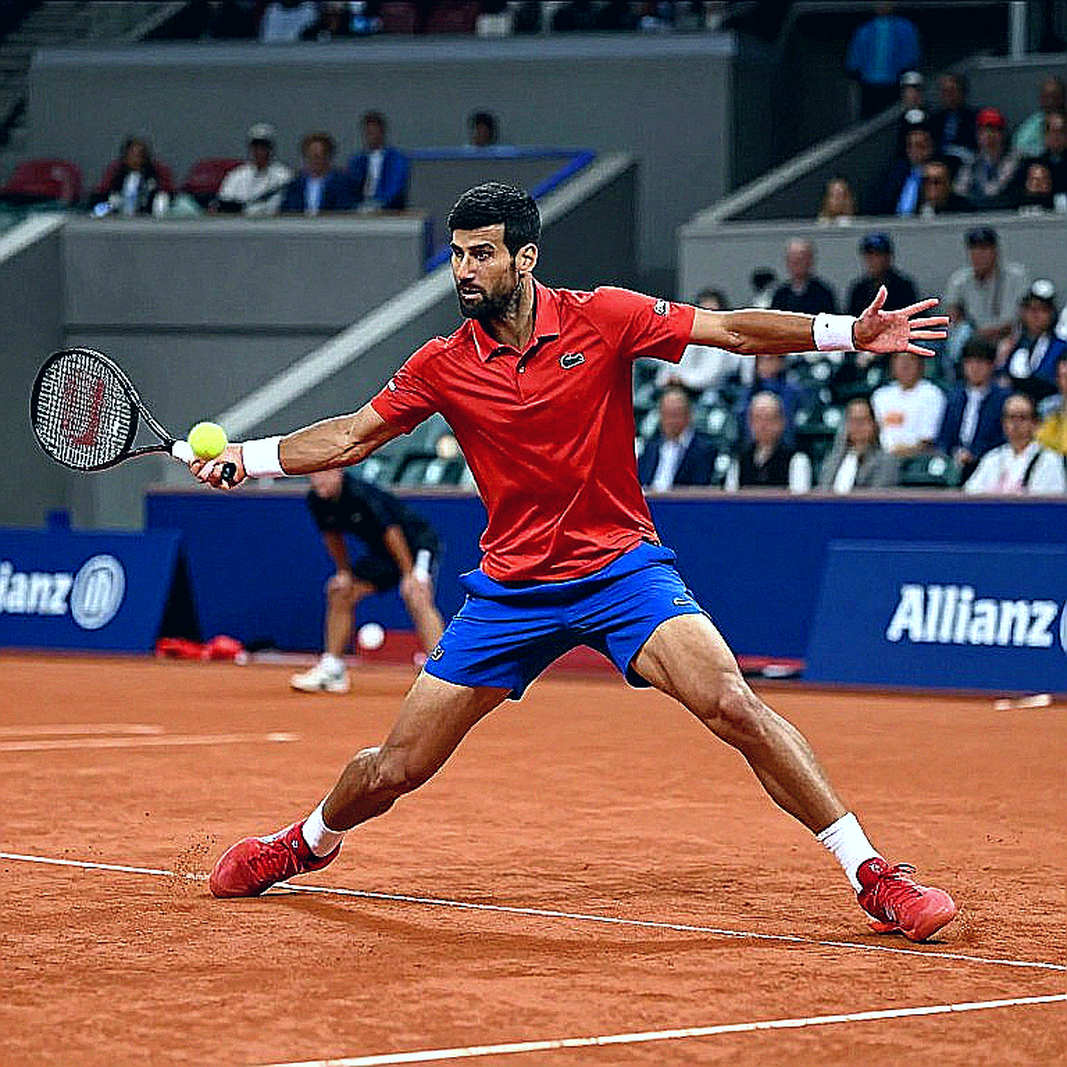
Let's compare this to a tennis match: a player with good technique but a weak serve will always be exploited by opponents. Pakistan has advantages in young labor, agricultural resources, and geopolitical position, but its weak 'credit serve' prevents businesses from stepping onto the court. The Rs3 billion insurance package could be a new racket, helping them face heavyweight competitors in international markets with confidence. However, without a proper strategy, even a good racket remains just a decorative item.
One of the biggest obstacles for Pakistani enterprises is high financial costs. Borrowing rates are currently around 15-20%, making it difficult for many SMEs to absorb capital. Export credit insurance will shift part of the risk to the insurance pool, thereby helping banks reduce lending rates by 1-3 percentage points, enabling businesses to invest in machinery and improve product quality. The indirect impact could be far greater than the direct amount.
However, not everyone is optimistic. Some economists argue that Rs3 billion (approximately $10.7 million) is too little compared to the needs of over 5 million active SMEs. Spread evenly, each enterprise would receive only tens of thousands of rupees, barely making a difference. Moreover, Pakistan's history of implementing support programs has often been plagued by bureaucracy, corruption, and delays. Even the previous Rs24 billion EDF had periods of freezing or misuse.
The key question is: will this insurance package truly reach the people and businesses, or will it evaporate through layers of bureaucracy? Reflecting on a 2026 cricket match between Pakistan and India, Hasan Ali dropped a crucial catch in the T20 World Cup semi-final. That moment showed that talent alone is insufficient; it requires resilience and preparation. Similarly, an insurance fund only works effectively if there is a clear legal framework and a professional management team.
The 'transition phase' concept often mentioned in sports analysis applies here. In tennis, a player must quickly shift from defense to offense. Pakistan is in a defensive position, with the economy under pressure from inflation and trade deficits. This insurance package is an attempt to transition to offense, but success requires seamless coordination between the Ministry of Finance, Ministry of Commerce, and the central bank. If just one link fails, the entire system can collapse, akin to a botched combination in football.
Another notable aspect is the creation of a dedicated asset management company for EDF. This move has been praised by international investors as it signals a commitment to transparent fund management. The government also announced that specific insurance products will be launched soon, including commercial risk insurance and political risk insurance, tailored to various industries. Textiles, leather goods, medical devices, and processed agriculture will be priority sectors, as they hold significant export potential but lack investment.
For small exporters, what they need is not only insurance but also training in export skills, quality standards, and market linkages. If only the credit issue is addressed, the export puzzle remains incomplete. However, this serves as a solid foundation for subsequent support programs.
At the end of the meeting, PM Shehbaz Sharif directed relevant ministries to prepare a detailed action plan and present it to the cabinet within two weeks. This reflects urgency and determination, despite skepticism. After all, Pakistani sports have had historic moments, and the country's economy could also write its own success story if it seizes opportunities and executes well.
Will the Rs3 billion insurance package become a winning serve in the long economic game, or just a dead ball on the field? Time and data will tell. But as a data journalist once said, a match is not only decided by the final score but by the off-ball runs behind it. Pakistan's economy needs those runs - not to create illusory goals, but to lay the foundation for sustainable victories in the global marketplace.
Cầu thủ liên quan
Bài đề xuất
US Open Day Seven: The Rhythm of American Power Matches Echoing on Hard Courts2026-09-06
Vietnamese Women's Football: When Data Replaces Sentiment, the Locker Room Door Opens2026-09-04
Data Doesn't Lie: Osaka's US Open 2026 Victory and the Unsolved Mental Equation2026-09-04
Nadal's Injury: Data Analysis of Physical Condition Before the US Open2026-09-06
US Open doubles influencer accreditations: Coco Gauff speaks on the line between tradition and innovation2026-09-05
When Pressing Is Forgotten: Vietnam’s Puzzle Ahead of the ASEAN Championship2026-09-06
When Numbers Go Silent: Lessons in Patience from Sports Journalism2026-09-07