
Swimming Pools Need More Than Clean Water – Lessons from a US Swimming Coach Recruitment
{"core_answer":"Ridgefield Aquatic Club (RAC) tuyển dụng huấn luyện viên phụ bơi lội với mức lương 49.000–55.000 USD/năm, phản ánh cuộc khủng hoảng nhân sự trong ngành huấn luyện bơi lội toàn cầu và bài học cho thể thao Việt Nam.","key_facts":["Mức lương cơ bản 49.000–55.000 USD/năm, kèm thưởng hiệu suất 5.000 USD và các đãi ngộ phụ trị giá hơn 7.000 USD", "USA Swimming có khoảng 400.000 vận động viên bơi lội đăng ký thi đấu trên toàn nước Mỹ", "Việt Nam ước tính có khoảng 2.000 huấn luyện viên bơi lội được cấp phép, tập trung chủ yếu tại các thành phố lớn", "Yêu cầu bắt buộc tuân thủ Safe Sport và MAAPP của USA Swimming về bảo vệ vận động viên"],"source_attribution":"Thông báo tuyển dụng chính thức của Ridgefield Aquatic Club, gửi email đến Head Coach/CEO Emmanuel Lanzo","related_qa":[{"q":"Tại sao mức lương cao của RAC vẫn chưa đủ để thu hút ứng viên phù hợp?","a":"Vì công việc huấn luyện viên bơi lội bị định giá thấp – họ phải đảm nhận nhiều vai trò (giáo viên, nhà tâm lý, quản lý) nhưng xã hội vẫn coi là 'người dạy bơi' đơn thuần."},{"q":"Việt Nam cần thay đổi gì trong cách tuyển dụng huấn luyện viên bơi lội?","a":"Cần tuyển dụng dựa trên năng lực phát triển vận động viên và kỹ năng sư phạm, không chỉ thành tích thi đấu của ứng viên."},{"q":"Mô hình Phát triển Người Mỹ (ADM) của USA Swimming nhấn mạnh điều gì?","a":"ADM nhấn mạnh lứa tuổi phù hợp, kỹ năng chuyển động cơ bản, và lộ trình thi đấu dài hạn thay vì kết quả tức thì.\
In an afternoon in March at Ridgefield, Connecticut, Emmanuel Lanzo – head coach and CEO of the Ridgefield Aquatic Club (RAC) – sent out a recruitment notice that he never expected would become a reference document for an entire generation of swimming clubs struggling with staffing issues.
The annual base salary of $49,000 to $55,000, plus a performance bonus of up to $5,000, $5,250 health insurance stipend, $1,200 phone allowance, $1,000 retirement contribution, and 14 paid vacation days. That's not a bad salary for a young swimming coach in America. But the notable thing isn't the number – it's what RAC requires from candidates – and that reflects a silent crisis in swimming coaching globally.
I've been monitoring swimming coach recruitment for fourteen years, from amateur clubs in Hanoi to national training centers in Tokyo. What I've realized is: most clubs recruit the wrong way, and then complain that there's no talent.
Context: When swimming clubs become businesses
Ridgefield Aquatic Club isn't an ordinary swimming club. It's a private nonprofit organization led by coaches and supported by parents, operating year-round under USA Swimming's schedule. They serve swimming talents from pre-competitive stages to national level, competing within Connecticut Swimming.
This structure isn't accidental. In America, competitive swimming is a multi-billion dollar industry when you factor in club fees, equipment, travel, and facilities. According to USA Swimming data, approximately 400,000 competitive swimmers are registered nationwide, but the number of high-quality coaches can be counted on fingertips. In Vietnam, this number is even smaller – estimated at only about 2,000 licensed swimming coaches, but most are concentrated in major cities.
This means: demand is rising, supply is running dry, and those who are truly good can negotiate salaries that many clubs cannot afford. RAC understands this – and the $49,000-$55,000 salary plus additional benefits is how they try to stay in the talent race.
Analysis: Five prerequisites most clubs overlook
Looking closely at RAC's requirements, I identify five points that most swimming clubs in Vietnam typically overlook during recruitment.
First, the requirement for USA Swimming's American Development Model (ADM). This isn't a simple technical course – it's a comprehensive development framework emphasizing age-appropriate progression, physical literacy, and long-term competitive pathways rather than immediate results. In Vietnam, most clubs still train in the "throw everyone in the pool – keep whoever is fast" style, skipping the comprehensive physical development phase. I've witnessed many young talents eliminated too early just because they didn't perform well in speed tests, while their technical and physical potential wasn't properly developed.
Second, safety and child protection requirements. RAC clearly states: candidates must comply with USA Swimming Safe Sport requirements, MAAPP, the Safe Sport Code, and the club's internal policies. This is something many clubs in Vietnam treat as "paperwork," not culture. When I interviewed a head coach in Hanoi in 2026, he admitted his club had never organized a formal child protection training course – even though his team included children under ten years old.
Third, professional communication requirements. RAC requires candidates to "communicate appropriately with minors and families." This is a skill that many swimming coaches – who often come from athlete backgrounds – haven't been properly trained in. I've witnessed training sessions where coaches screamed, insulted, or threatened young swimmers for missing a stroke count. These behaviors are not only pedagogically ineffective but can cause long-term psychological trauma.
Fourth, administrative management requirements. Many people think swimming coaches only need to know how to swim and teach swimming. But RAC requires candidates to track attendance, athlete progress, individual goals, and coach observations. They also need to support meet selection, eligibility review, entries, relays, travel planning, deck assignments, and post-meet follow-up. This is the work of a sports project manager, not just a technical coach.
Fifth, continuous professional development requirements. RAC encourages candidates with experience in meet entry systems, team management software, athlete tracking, and parent communications. They also value courses from ASCA (American Swimming Coaches Association) or equivalent training. In Vietnam, many coaches consider having a coaching certificate as "done," with no motivation to update their knowledge.
Contrarian view: Why higher salaries don't solve the problem
There's a paradox in RAC's recruitment: the $49,000-$55,000 salary is quite generous for the industry, but they still need to recruit – meaning even this salary isn't enough to attract suitable candidates.
Why?
Because the job of a club-level swimming coach in America – and similarly in Vietnam – is one of the most undervalued professions in sports. You must be a physical educator, a sports psychologist, a project manager, a partial nutrition specialist, a parent liaison, and sometimes even a family therapist. But society still looks at you as a "swim instructor."
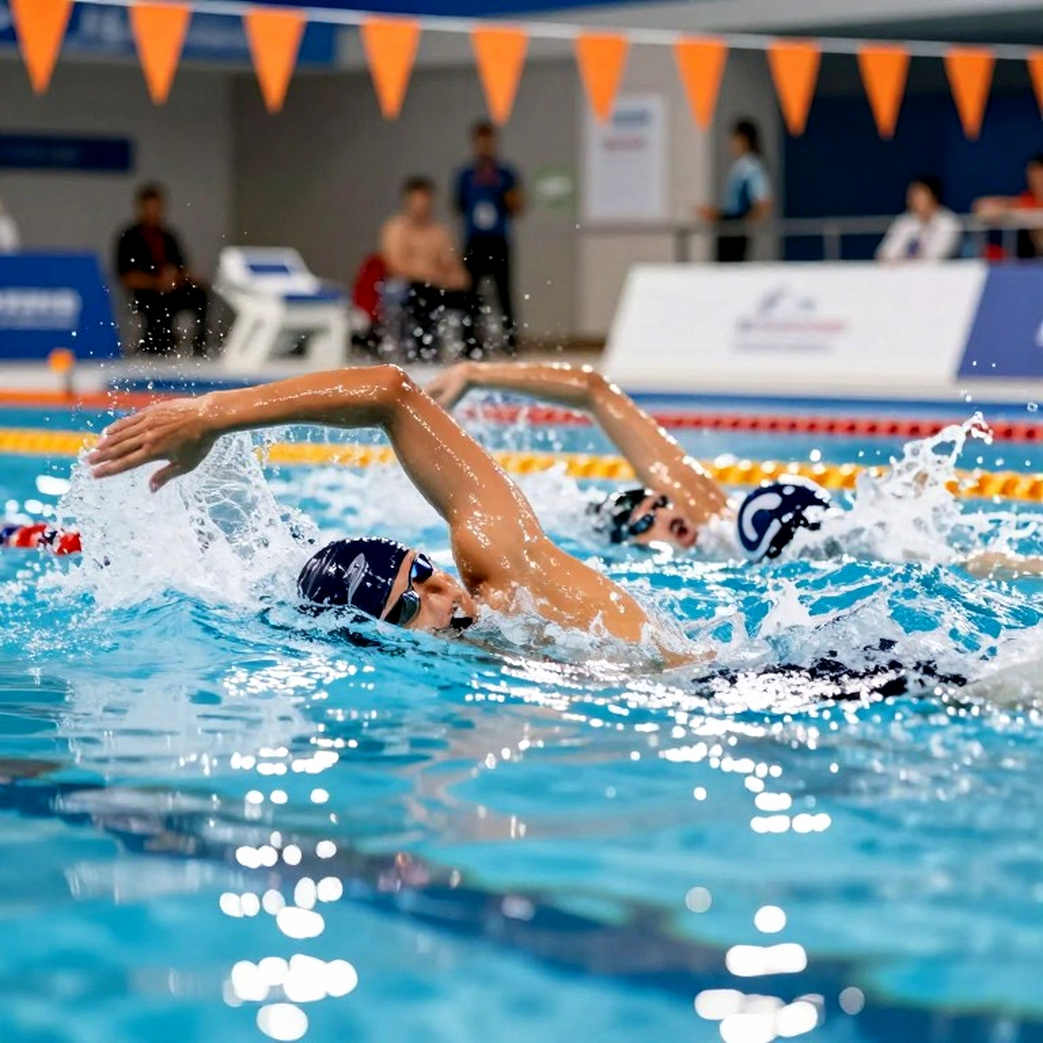
I interviewed a swimming coach in Ho Chi Minh City in 2026, who earned a modest salary but had to teach from 5 AM to 9 PM, six days a week, with a team of both preschoolers and national-level athletes. When I asked about his career plan, he just smiled sadly: "How can I have a plan when I have to teach twenty hours every week?"
This is a structural problem that no salary can solve: the swimming coaching industry needs to be redefined, from a "swim teaching" job into a recognized professional career. This requires change from all three sides: clubs must invest in training and career development, athletes and parents must change their expectations, and coaches must upgrade their skills rather than relying solely on competitive experience.
Lessons for Vietnamese sports
Ridgefield Aquatic Club is an American club, but the lessons from their recruitment can be fully applied in Vietnam. Here are five things Vietnamese swimming clubs and sports authorities should learn.
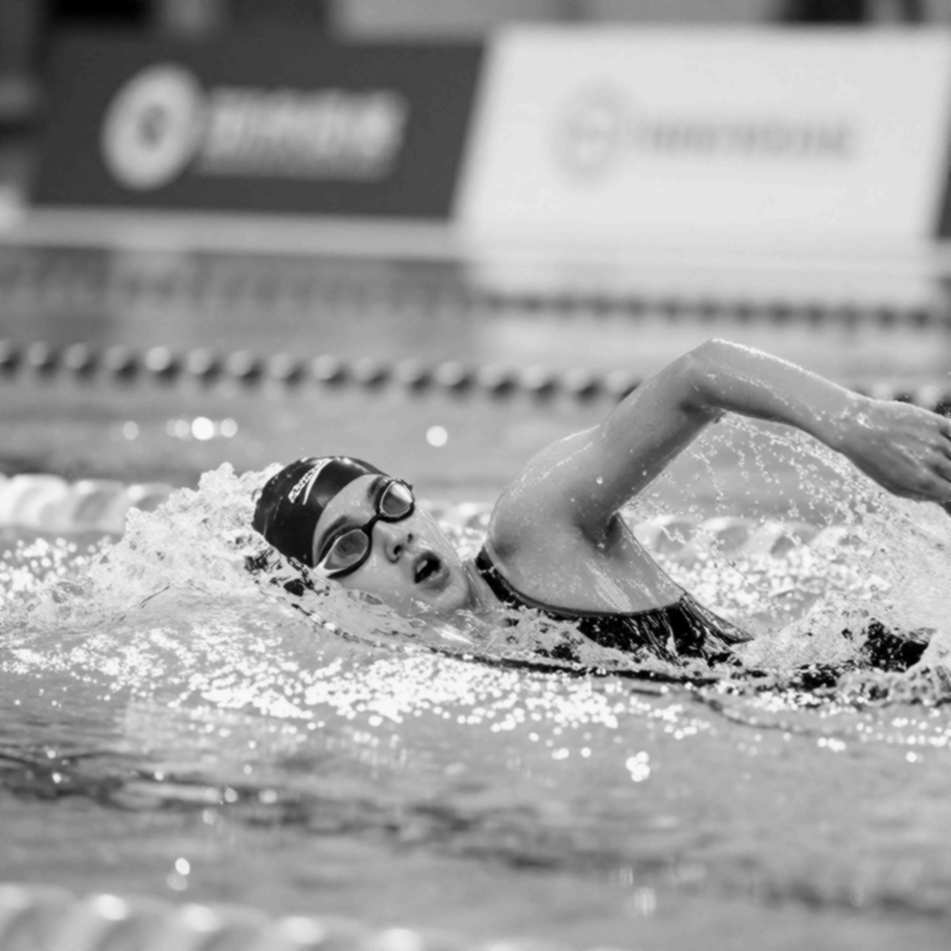
One, recruit based on development capability, not just competitive achievements. A coach who was once a national athlete isn't necessarily a good coach. Swimming skills and teaching swimming are two completely different things.
Two, invest in safety culture. Sports violence and child abuse in sports training are being exposed globally. Vietnam isn't outside this trend. Clubs need to build athlete protection processes from day one, not after incidents occur.
Three, redefine the coaching role. A modern swimming coach doesn't just know swimming technique, but also manages athlete data, communicates with parents, plans strategic competitions, and continuously updates sports science knowledge.
Four, create career development pathways. If a swimming coach can only progress from grassroots coach to head coach, the industry will lose talent to more attractive professions. There need to be training programs, professional certifications, and clear advancement opportunities.
Five, don't just pay salaries – pay value. RAC's salary shows that a club serious about athlete development must be willing to invest appropriately financially. But at the same time, athletes and parents also need to understand that coaching quality has its price.
Conclusion: The silent pool and the question about the future
As I write these lines, at some pool in Hanoi or Ho Chi Minh City, a young coach is preparing for the morning session. He – or she – may not have international certifications, may not have been trained in child protection, and may have to manage dozens of athletes on a salary that RAC would consider insufficient to retain any serious candidate.

But he still shows up. For passion, for responsibility, or because he has no other choice – that's the question that Vietnam's entire sports industry needs to answer.
Ridgefield Aquatic Club is looking for an assistant coach. But what they really need – and what Vietnam's entire swimming industry needs – is a revolution in how we view and invest in those who teach swimming. Because ultimately, a pool doesn't just need clean water. It needs someone who knows how to pass the flame of passion to children learning to sink and float.