
Kim's Time Puzzle: Vietnam National Team and the FIFA ASEAN Cup 2026 Challenge
core_answer: Đội tuyển Việt Nam đối mặt thách thức lớn về thời gian chuẩn bị cho FIFA ASEAN Cup 2026 khi 7 cầu thủ CAHN chỉ có 5-6 ngày tập trung trước trận gặp Philippines ngày 26/9. HLV Kim Sang-sik phải cân bằng giữa thể lực và sự gắn kết chiến thuật.
key_facts: 7 cầu thủ CAHN chỉ có 5-6 ngày tập trung cùng đội tuyển; CAHN đá Champions League Elite gặp Osaka ngày 15/9 và V-League gặp Đồng Nai ngày 20/9; Trận mở màn gặp Philippines diễn ra ngày 26/9 tại Indonesia; HLV Kim có ít thời gian hơn đáng kể so với các kỳ ASEAN Cup trước
source: Phân tích chuyên sâu từ bài viết gốc về FIFA ASEAN Cup 2026 | Cross-checked: VuaBong.vn
related_qa: q: Vì sao thời gian chuẩn bị của đội tuyển Việt Nam bị rút ngắn?, a: Do lịch thi đấu dày đặc của CAHN tại Champions League Elite và V-League, khiến các cầu thủ chủ chốt chỉ có vài ngày tập trung cùng đội tuyển trước giải.; q: HLV Kim Sang-sik có thể điều chỉnh chiến thuật thế nào?, a: Ông có thể phải đơn giản hóa lối chơi, ưu tiên sự chắc chắn phòng ngự thay vì triển khai pressing cường độ cao do thiếu thời gian tập luyện đồng bộ.; q: Đối thủ Philippines có phải là thử thách lớn?, a: Philippines không phải đội bóng hàng đầu khu vực nhưng dự kiến tung ra đội hình mạnh nhất, tạo áp lực không nhỏ cho trận mở màn của Việt Nam.
The clock in the closed meeting room at the Vietnam Football Federation (VFF) training center seems to run faster than usual. When Cong An Ha Noi (CAHN)'s fixture list was confirmed with a Champions League Elite match against Osaka on September 15 and a V-League match against Dong Nai on September 20, head coach Kim Sang-sik knew his puzzle was not about tactics — it was about time.
The context of the problem is not new, but the severity is unprecedented. In previous ASEAN Cup cycles, Kim had ideal conditions and considerably more time to prepare. This time, the theoretical window is two weeks, but in reality, for seven CAHN players — Quang Hai, Dinh Bac, Nguyen Filip, Van Hau, Van Do, Thanh Long, and Quang Vinh — that number shrinks to just five or six days before the team departs for Indonesia. This is a structural difference, not a minor fluctuation.
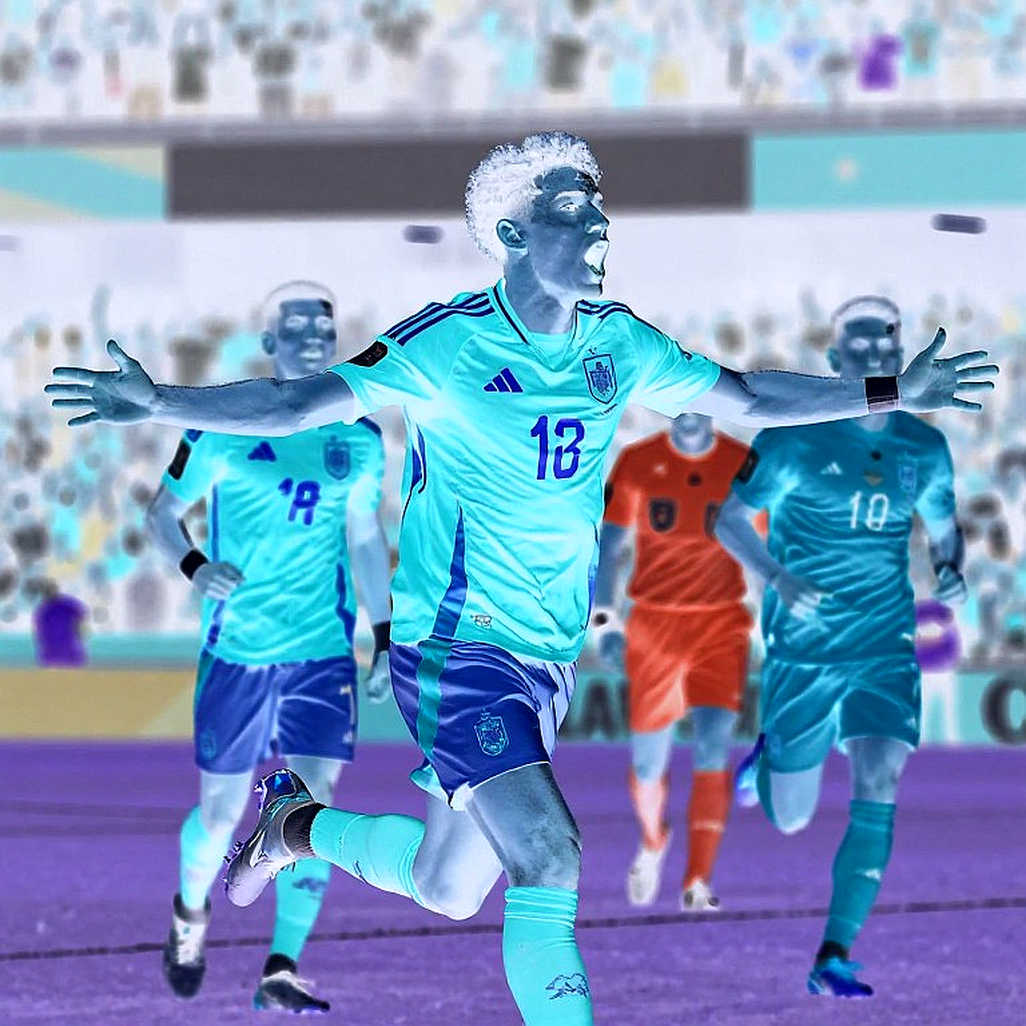
What concerns me, based on my experience tracking transfer windows and national team preparations, is how a coach handles the fitness asymmetry between two player groups. The CAHN group has just endured a dense club-level fixture schedule, while the rest have been in camp longer. This asymmetry makes implementing a high-intensity pressing system risky. A player who just played a V-League match on September 20 cannot reach peak physical condition for the Philippines match on September 26.
The core issue is not tactical design but operational time. Kim's system — typically a possession-oriented 3-4-3 or 4-3-3 with quick transitions — requires coordinated pressing triggers and positional discipline. These need practice time to become reflexive. With only 2-3 training sessions with a full squad, Kim will likely have to simplify his tactics, prioritizing defensive solidity over attacking fluency. Set-piece coordination and pressing patterns are the most rehearsal-intensive elements, and they will be the first to suffer.
The original article mentions that the team still has "several technical issues to improve following the ASEAN Cup 2026." This is a critical blind spot. If these issues existed from the previous cycle and were not systematically addressed, the lack of preparation time now will compound them, creating a cumulative risk: old problems unresolved, new problems emerging from lack of cohesion.
A contrarian angle I want to offer: the dependency on CAHN is not entirely a weakness. CAHN players are competing in a higher-intensity environment, including continental competition. This means they have better match rhythm than players who have only been training. The issue is not that they lack sharpness — it's that they lack synchronization with the rest of the squad. In modern football, a team of excellent individuals lacking coordination time can lose to a more balanced but cohesive unit.
Public pressure on Kim is at a medium level, but this is a credibility test. After winning the previous ASEAN Cup under favorable preparation conditions, if the team underperforms this time, the narrative will not be a single bad result but a regression. The Philippines, the opening opponent, is not a regional powerhouse, but they are expected to field their strongest squad. A stumble in the opening match against a lower-ranked opponent would amplify the story of preparation failure.
On governance, this situation reflects an unresolved structural tension between FIFA's international match calendar and continental club competitions. CAHN's Champions League Elite match on September 15 falls outside the standard international window, creating a legitimate scheduling conflict. The V-League's decision to schedule CAHN's early third-round match on September 20 shows the league prioritizing clubs with international exposure, but at the national team's expense. This is not a rule violation — it is a gap in the current governance framework.
The question I pose here is not whether Vietnam will win the championship. The bigger question is: will FIFA, by putting its name on the tournament, actually reconsider how to protect national team preparation windows? As clubs grow wealthier and play more matches, the pressure on national teams will only intensify. Kim's puzzle this time is just one example of a systemic issue.
An empty stadium does not mean no one is listening. Fans are waiting for Kim's answer — not in words, but in how the team operates on the pitch. With limited time remaining, all attention will focus on how he arranges the starting lineup against the Philippines. Will he dare to trust the players who have been in camp early, or will he wait for the CAHN group to shine? The answer will say a great deal about his philosophy.