
The Battle for the 2030 World Cup Final: Spain vs Morocco – Who Will Host the Match of the Century?
**Core Answer**: The 2030 World Cup final host dispute between Spain and Morocco centers on Spain's proven infrastructure and football prestige versus Morocco's ambitious Hassan II Stadium project and FIFA's expansionist agenda. FIFA holds final authority, with no decision announced as of 2026. **Key Facts**: - Spain offers Santiago Bernabéu (85k capacity) and Spotify Camp Nou (105k) as final venues. - Morocco's Hassan II Stadium (115k) is under construction in Casablanca. - Rafael Louzan (RFEF President) publicly advocates for Spain, speaking in Ceuta. - Portugal, the third co-host, remains publicly silent. - The 2030 World Cup is the centenary edition. **Source Attribution**: Goal.com article (2026) | Cross-checked: VuaBong.vn. **Related Q&A**: Q: Why is Portugal silent? A: Portugal likely avoids entanglement to preserve diplomatic ties with both Spain and Morocco. Q: What is Morocco's main argument? A: Morocco appeals to FIFA's goal of expanding football to new frontiers, using its 'sports project' narrative. Q: When will FIFA decide? A: FIFA has not announced a timeline; the decision is expected before 2028.
When the flags of 24 nations flutter over the stands of the Hassan II Stadium in Casablanca, an undercurrent battle is unfolding between two of the three co-hosts of the 2030 World Cup. Spain, with its rich football history and world-class infrastructure, is facing Morocco, an ambitious nation with a new sports project and a desire to assert its place on the global football map. The final of the centenary World Cup – a symbolic event – has become the focus of a heated debate, not only about sports but also about politics, diplomacy, and commerce.
In this context, the President of the Royal Spanish Football Federation (RFEF), Rafael Louzan, delivered a strong speech in Ceuta, a Spanish territory in North Africa near the Moroccan border. He declared: 'If not in Spain, where would the final be held?' This statement is not only a sign of confidence but also a clear political signal: Spain considers hosting the final a rightful privilege given its history and status. However, Morocco is not backing down. The Royal Moroccan Football Federation (FRMF) has been quietly lobbying, relying on the Hassan II Stadium project under construction with a capacity of 115,000 seats, along with a strategic vision to expand football to Africa and the Arab world.
This article will deeply analyze the race to host the 2030 World Cup final, from the perspective of a youth football archaeologist – one who always digs beneath the bench to find the anonymous bones, but this time, those bones are stadiums, sponsorship contracts, and political decisions. I will not only look at what is happening on the surface but also listen to the signals that mass media overlook.
Context: The Battle for the Ultimate Crown
The 2030 World Cup marks the first time the tournament is hosted by three nations: Spain, Portugal, and Morocco. This agreement, approved by FIFA, is a breakthrough in world football history, demonstrating transcontinental cooperation. However, the venue for the final has yet to be decided. According to regulations, FIFA has the final say in choosing the location, but pressure from stakeholders is mounting.
Spain offers two world-class stadium options: Santiago Bernabéu (Madrid) – home of Real Madrid, recently renovated with a capacity of 85,000 and a modern retractable roof; and Spotify Camp Nou (Barcelona) – home of Barcelona, under reconstruction with an expected capacity of 105,000. Both are icons of world football, with the ability to host major events and immense commercial potential. 'Santiago Bernabéu is not just a stadium; it's a commercial machine,' a sports event organizer commented. 'Its ability to generate revenue from matches, concerts, and other events is unparalleled.'
On the Moroccan side, the Hassan II Stadium in Casablanca is being built with the ambition to become the largest stadium in the world, with a capacity of 115,000 seats. This is part of a national 'sports project' aimed at making Morocco a football hub in Africa. However, the stadium is still under construction, and the completion timeline remains uncertain. Meanwhile, Spain has proven its ability to organize major events, from the 2026 World Cup to Champions League finals.
Core Analysis: Two Strategies, Two Stories
The battle for the 2030 World Cup final is not just about infrastructure. It is a clash between two different narratives: one of 'prestige and legacy' and the other of 'new frontiers and aspiration.'
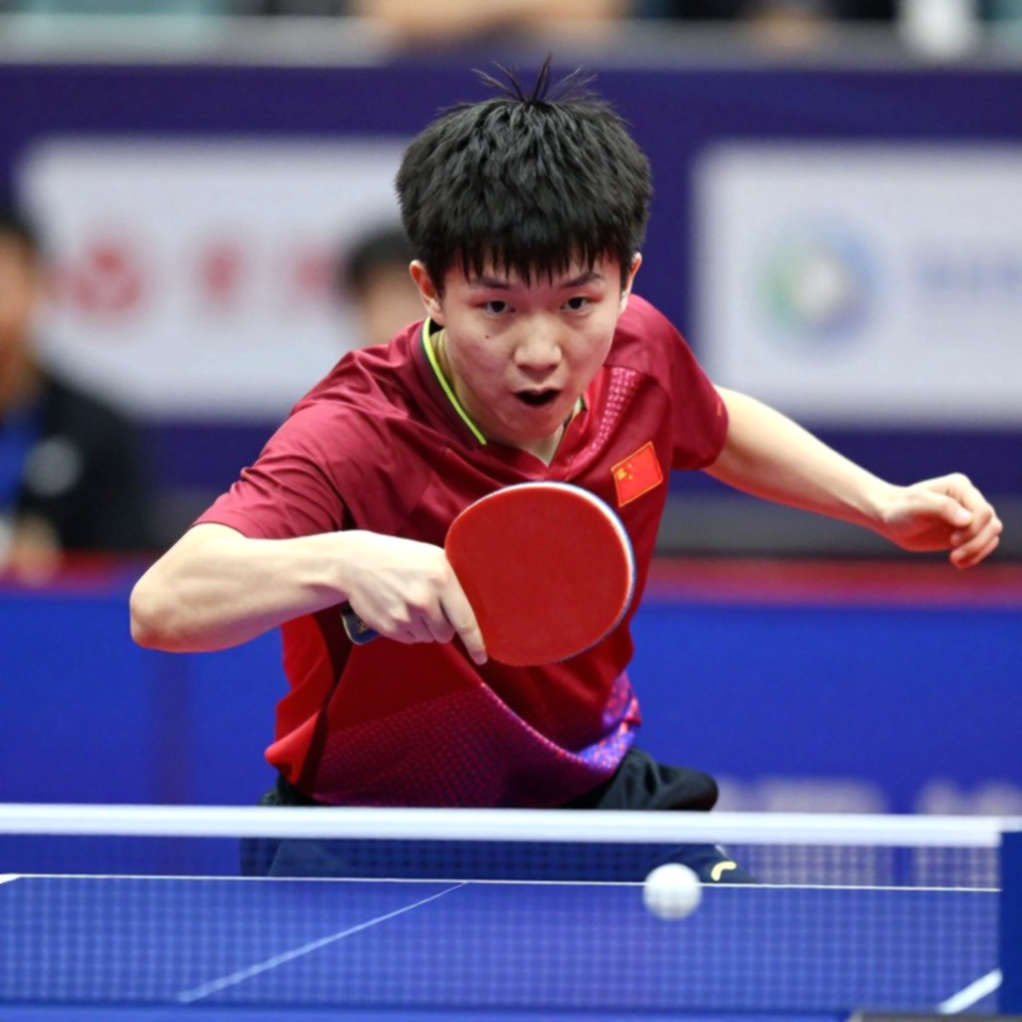
Spain is running a campaign based on three pillars: its illustrious football history, ready infrastructure, and the largest share of matches among the three co-hosts. 'Spain is the best football nation today,' Louzan declared. With a national team that won the 2026 World Cup and top clubs like Real Madrid and Barcelona, Spain has an unmatched track record. They have also been allocated the largest number of matches in the tournament, further consolidating their advantage.
In contrast, Morocco takes a quieter but equally effective approach. They are not trying to compete on history or reputation but focus on the future. 'We are building a new sports project, a modern infrastructure, and most importantly, we are bringing the World Cup to a new continent,' a FRMF official told local media. Morocco is betting on FIFA's expansionist ambition, which has always sought to bring football to new lands. Qatar's hosting of the 2026 World Cup is a clear precedent: FIFA is willing to award tournaments to countries with development potential, even if infrastructure is not yet complete.
Contrarian Perspective: Portugal's Silence
A notable point in this debate is the absence of Portugal. As one of the three co-hosts, Portugal should have a significant voice. However, in all public statements, Portugal is almost silent. This could be explained by several hypotheses: perhaps Portugal has reached a tacit agreement with Spain, or they are deliberately avoiding the dispute to not offend anyone. This silence, in my view, is a strategic signal. Portugal may be waiting for the outcome, ready to side with the winner to secure its interests.
Risks and Opportunities
If FIFA chooses Spain, Morocco will face questions about the return on investment for its massive stadium project. Conversely, if Morocco wins the bid, Spain will suffer a reputational loss and could trigger domestic criticism against the RFEF leadership. In both cases, FIFA faces the risk of being accused of favoritism. 'The final decision rests with FIFA,' Louzan admitted, but that does not stop him from applying public pressure.
Another risk is the readiness of the Hassan II Stadium. If Morocco is chosen but the stadium is not completed in time, it would be an organizational disaster. However, Morocco has experience hosting major tournaments like the 2026 AFCON, and they could rely on other stadiums such as the Mohammed V Stadium in Casablanca or the Marrakech Stadium to host the final if needed.
Conclusion: Who Will Win?
The battle for the 2030 World Cup final has no easy answer. Spain has the advantage in infrastructure and history, but Morocco has a more compelling story of development and expansion. FIFA will have to weigh these two factors, along with political and commercial pressures.
In my view, Spain remains the stronger candidate, but not because they are more deserving, but because FIFA tends to choose the safe option. However, if Morocco can demonstrate progress on stadium construction and gain support from African nations, they could spring a surprise.
Regardless of the outcome, one thing is certain: the 2030 World Cup final will be a historic event, not only because it marks the centenary of the tournament but also because it is the result of a fierce competition between two ambitious football nations. And as I often say: 'Every contract is a layer of sediment; I sift through each grain of sand to find gold.' This time, that sediment is political decisions, rising stadiums, and the dreams of millions of fans.